Transmission Care in Miami’s Tropical Climate
Miami’s tropical setting may be paradise for people—but it’s punishing for cars. High humidity, salty air, and relentless traffic all contribute to increased transmission wear among South Florida drivers.
The Impact of Humidity and Salt Air
Humidity causes condensation to form inside transmission housings, contaminating fluid and corroding internal parts. Add in salt air from the Atlantic, and you have the perfect storm for oxidation and metal fatigue. Vehicles that spend time near Miami Beach or Biscayne Bay are especially vulnerable.
Miami Traffic’s Role in Transmission Wear
The city’s traffic compounds these effects. Stop-and-go driving generates constant heat and friction, which breaks down transmission fluid faster. When drivers delay service intervals, burnt fluid leads to slippage, grinding, and eventually failure.
Best Defense: Regular Fluid Exchanges and Inspections
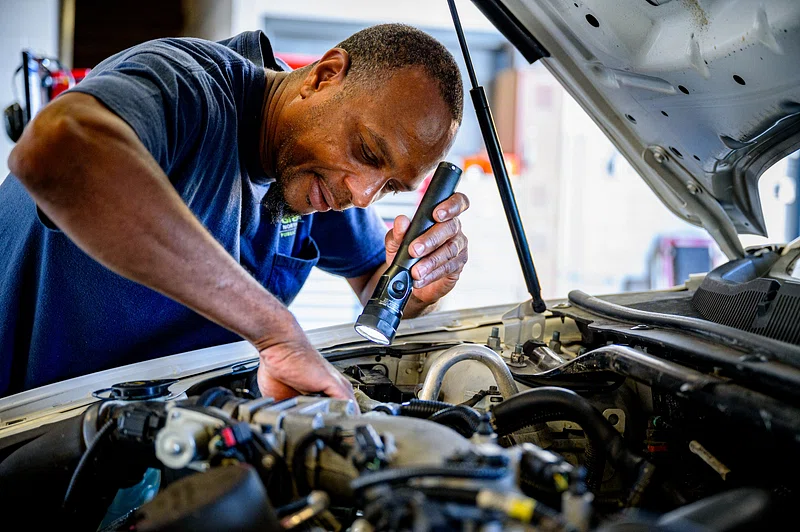
Miami’s repair experts emphasize regular fluid exchanges and inspections as the best defense. Replacing filters, checking seals, and monitoring computer codes prevent small problems from escalating.
Additional Protective Measures
Some auto shops offer protective coatings and undercarriage treatments to minimize salt damage, while others recommend garage parking to limit humidity exposure.
Preventive Maintenance: The Key to Longevity
Ultimately, Miami’s unique environment means transmission maintenance can’t be ignored. By adopting a preventive mindset—routine checks, clean fluids, and timely repairs—drivers can extend their vehicle’s lifespan and avoid expensive rebuilds.
Keeping Miami Drivers Moving Smoothly
In a city known for its heat and traffic, smart maintenance keeps Miami drivers moving smoothly year-round.
Helpful Internal Links
Transmission Care in Miami’s Tropical Climate
Miami’s tropical setting may be paradise for people—but it’s punishing for cars. High humidity, salty air, and relentless traffic all contribute to increased transmission wear among South Florida drivers.
The Impact of Humidity and Salt Air
Humidity causes condensation to form inside transmission housings, contaminating fluid and corroding internal parts. Add in salt air from the Atlantic, and you have the perfect storm for oxidation and metal fatigue. Vehicles that spend time near Miami Beach or Biscayne Bay are especially vulnerable.
Miami Traffic’s Role in Transmission Wear
The city’s traffic compounds these effects. Stop-and-go driving generates constant heat and friction, which breaks down transmission fluid faster. When drivers delay service intervals, burnt fluid leads to slippage, grinding, and eventually failure.
Best Defense: Regular Fluid Exchanges and Inspections
Miami’s repair experts emphasize regular fluid exchanges and inspections as the best defense. Replacing filters, checking seals, and monitoring computer codes prevent small problems from escalating.
Additional Protective Measures
Some auto shops offer protective coatings and undercarriage treatments to minimize salt damage, while others recommend garage parking to limit humidity exposure.
Preventive Maintenance: The Key to Longevity
Ultimately, Miami’s unique environment means transmission maintenance can’t be ignored. By adopting a preventive mindset—routine checks, clean fluids, and timely repairs—drivers can extend their vehicle’s lifespan and avoid expensive rebuilds.
Keeping Miami Drivers Moving Smoothly
In a city known for its heat and traffic, smart maintenance keeps Miami drivers moving smoothly year-round.